

As winter ends and spring begins, spring Chimney Inspections for Indianapolis Homeowners become a top seasonal priority. One important task that should not be overlooked is scheduling a professional chimney inspection. Whether your chimney was used regularly or only a few times during the colder months, it’s essential to assess its condition before more time passes.
A yearly inspection helps detect issues early, prevents expensive repairs, and supports long-term home safety. Spring is the ideal time to address chimney maintenance, especially after months of exposure to freezing temperatures, moisture, and heavy use.
The Purpose of a Chimney Inspection in Indianapolis

A chimney inspection is a thorough assessment of the structure, function, and safety of your chimney system. Over time, creosote (a highly flammable byproduct of combustion), debris, and moisture can compromise the chimney’s performance and safety. Even unused chimneys can develop issues such as blockages or structural deterioration.
According to the National Fire Protection Association (NFPA), chimneys should be inspected annually to ensure they are free of deposits, obstructions, and damage. A routine chimney inspection allows a trained technician to identify any risks and recommend appropriate action if repairs or cleaning are needed.
Why Spring is the Right Time

While chimney inspections are essential year-round, scheduling one in the spring offers several advantages:
1. Catch Winter Damage Early
Indiana winters bring snow, ice, and fluctuating temperatures that can cause significant stress to masonry chimneys. Freeze-thaw cycles may lead to cracked bricks, deteriorated mortar, and damaged crowns. A spring inspection helps identify these issues before they worsen over the summer.
2. Availability and Flexible Scheduling
Chimney companies often experience high demand in the fall, as homeowners rush to prepare for the heating season. By scheduling an inspection in the spring, you’re more likely to secure a convenient appointment and receive faster service.
3. Time for Repairs
If the inspection reveals any problems, such as moisture intrusion, liner damage, or structural deterioration, spring and summer offer ideal weather conditions to complete those repairs well before the next heating season.
4. Prevent Moisture-Related Damage
Unsealed chimneys are vulnerable to spring and summer rain. If there are gaps in the flashing or cracks in the crown, water can enter and damage the interior structure. Identifying and fixing these problems early helps prevent long-term deterioration.
Issues Commonly Found During Spring Chimney Inspections
Routine chimney inspections can uncover a variety of problems that may not be visible to the homeowner. These include:
- Creosote buildup in the flue, which can lead to chimney fires
- Cracked or missing mortar joints from freeze-thaw damage
- Chimney liner deterioration, especially in older homes
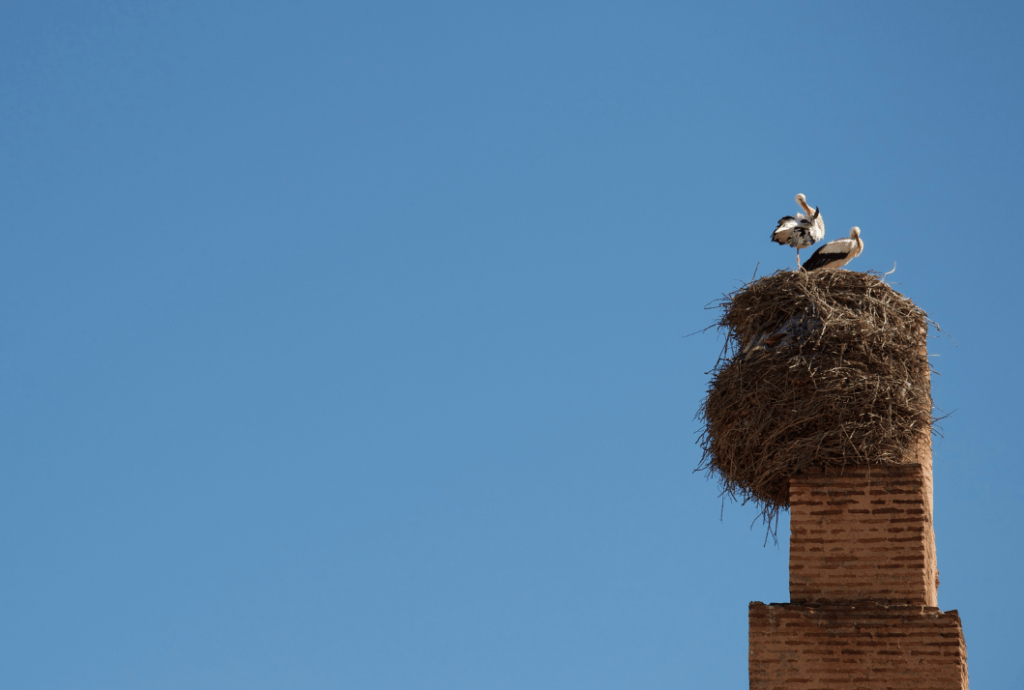
- Obstructions such as bird nests or debris
- Chimney cap damage or rust, which can allow water entry
- Leaking flashing at the roofline
- Spalling bricks due to water penetration and freezing
What a Chimney Inspection Includes

Professional chimney inspections are typically performed in one of three levels, depending on your needs:
- Level 1 Inspection: This is the most common type, appropriate for chimneys with no changes to system use. It includes a visual inspection of accessible components and checks for creosote buildup, blockages, or visible damage.
- Level 2 Inspection: Required when there’s been a system modification, real estate transaction, or incident like a chimney fire. This includes video scanning of the flue interior and inspection of the attic, crawlspaces, or accessible areas near the chimney.
- Level 3 Inspection: Conducted only when serious hazards are suspected. It may involve removing portions of the chimney or nearby building materials to inspect concealed areas.
The Cost of Delaying Chimney Maintenance
Postponing or skipping your annual chimney inspection can result in more than just minor inconvenience. In some cases, it leads to major structural damage or even safety risks. Here are a few consequences of unaddressed chimney issues:
- Chimney fires caused by creosote buildup
- Carbon monoxide exposure from poor ventilation or flue blockages
- Masonry damage that leads to costly chimney rebuilding
- Moisture intrusion, which can damage walls, ceilings, or nearby attic areas
- Increased repair costs due to delayed maintenance
FAQ
Book Your Certified Spring Chimney Inspection Today

At E-Builders and Construction, we understand the importance of regular chimney maintenance and how it contributes to the long-term safety and performance of your home. Our team is trained to identify early signs of damage and deliver precise, reliable solutions tailored to Indianapolis homes.
We provide certified chimney inspections, cleaning, and structural repairs backed by proven experience and a commitment to quality workmanship. Whether you’re in the heart of Indianapolis or nearby areas like Carmel, Fishers, or Zionsville, you can count on us to provide clear recommendations and dependable service.
Call now or request your inspection online to get started.


